Recycled Polymer Research — MIT HAUS Group
The MIT HAUS research group explores the use of recycled polymers and large-scale additive manufacturing to develop affordable housing solutions. My research primarily focused on characterizing recycled polymers and polymer blends through mechanical testing, while also contributing to work in distributed manufacturing, extrusion, and structural performance analysis. The projects below highlight my work across the research group.
Recycled PET Foundation Analysis
Spring 2023
— Structure Testing and Analyzing Data —
To determine what foundation block designs to print on a large-scale 3D printer, the group needed a better understanding of which ones would perform well under three key tests: compression (tested twice), three-point bending, and four-point bending. Each of the nine potential designs was printed three times out of recycled polyethylene terephthalate (rPET), and after four tests were performed, yielded 540 trials to analyze. I was tasked with creating easily readable graphs for all the trials and suggesting what design had the lowest displacement for a given force across the different tests. The foundation designs, a test example, and a summary sheet example are shown.
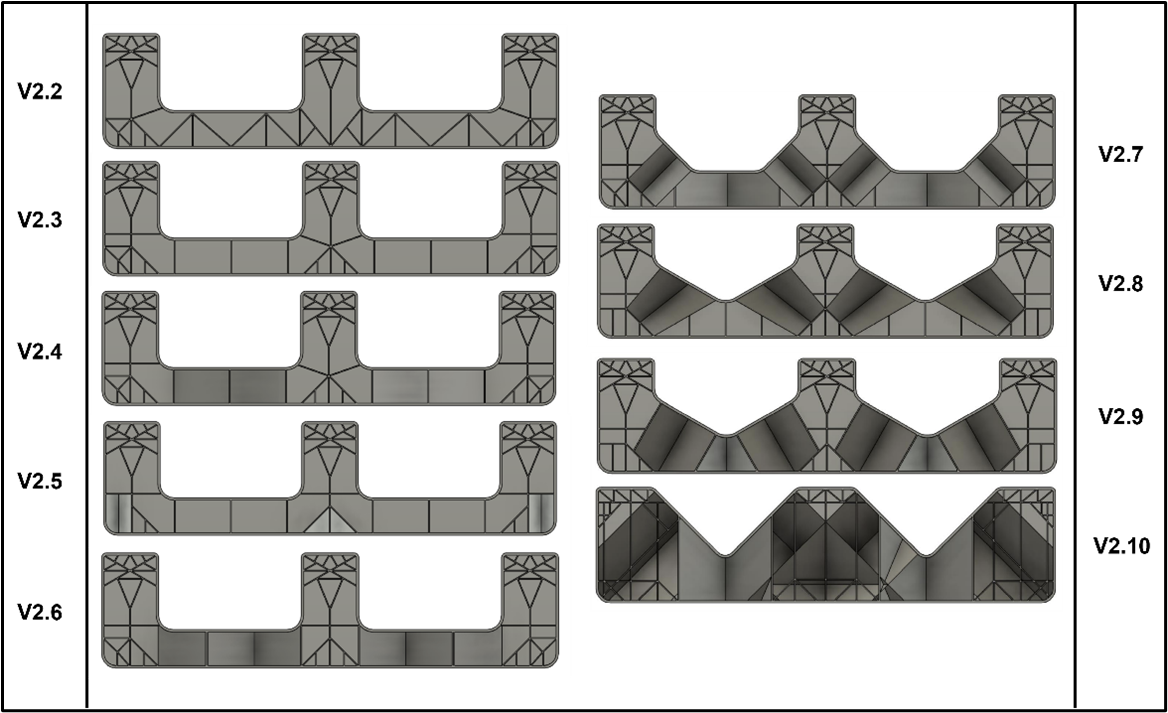
CAD of Designs Tested
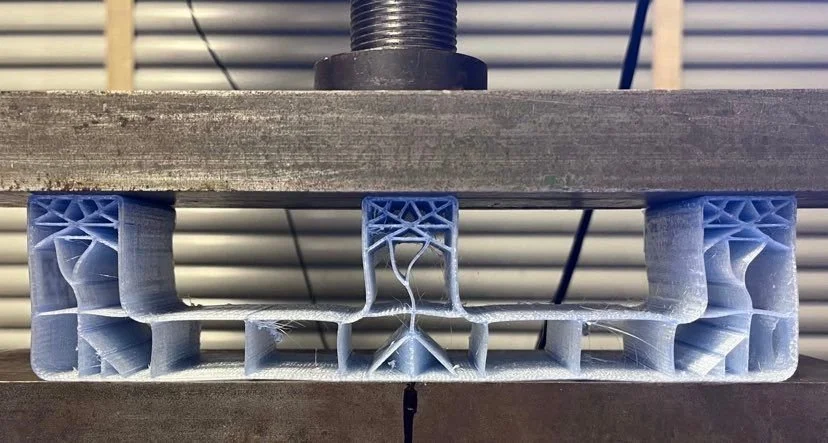
rPET Foundation Block Sample Test
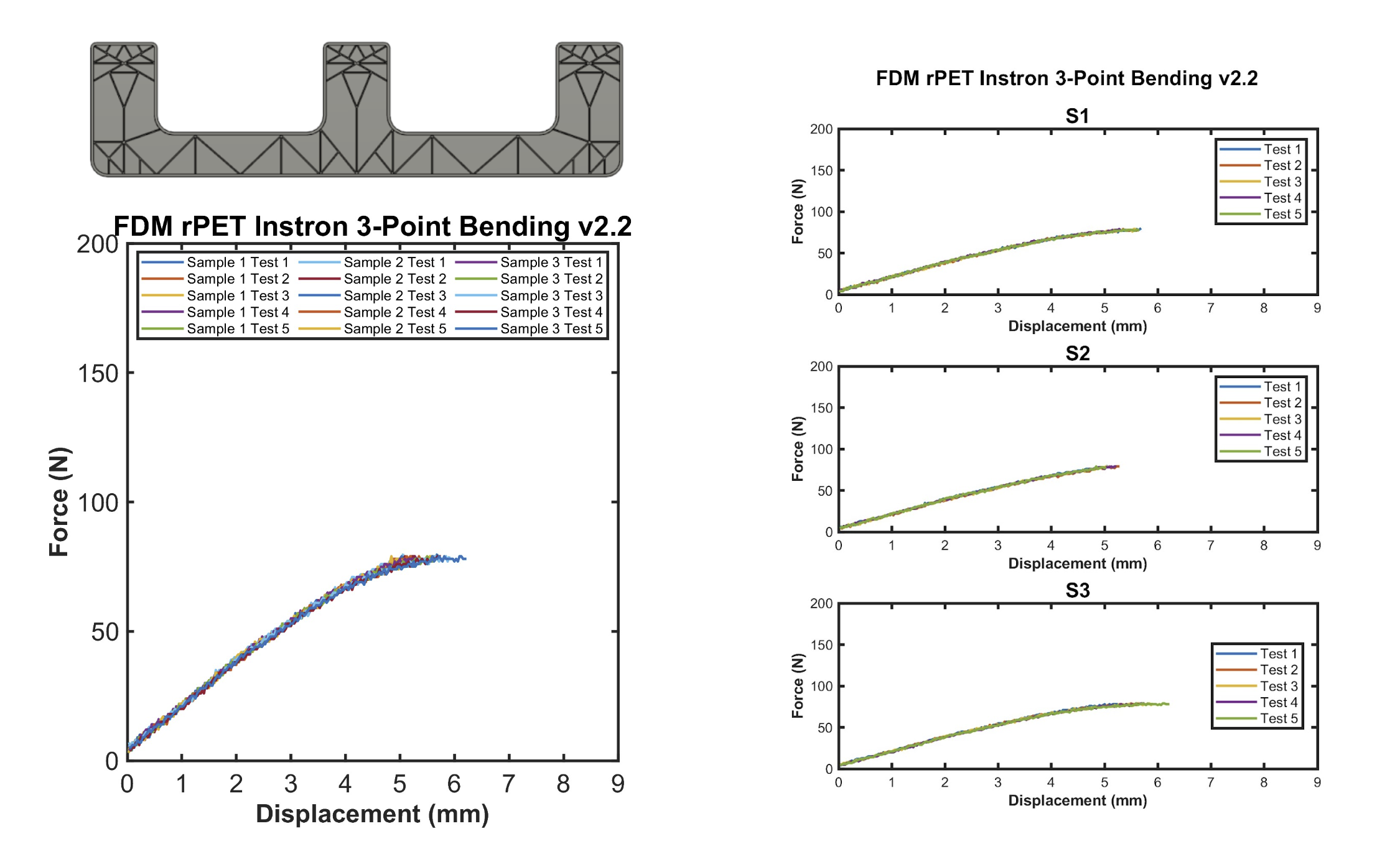
Foundation Design Summary Sheet
Comparing Recycled PET and Recycled PET-G’s Young’s Modulus After Extrusion
Fall 2022
— Material Testing, Graphing, and Analyzing Data —
Using the lab’s extruder that I helped build during the January term and Spring semester in 2022, I conducted experiments to test how varying the plastic inputs and extrusion temperatures would impact the outputted plastic bead’s modulus. These experiments were used to compare two different forms of recycled PET, and then most importantly, they were compared to the expected values for the non-recycled form of PET. It was generally found there wasn’t a large difference between the recycled forms of the plastics tested and the non-recycled form of PET in the tests conducted. More on this can be found in Alphonso Perez’s PhD thesis.
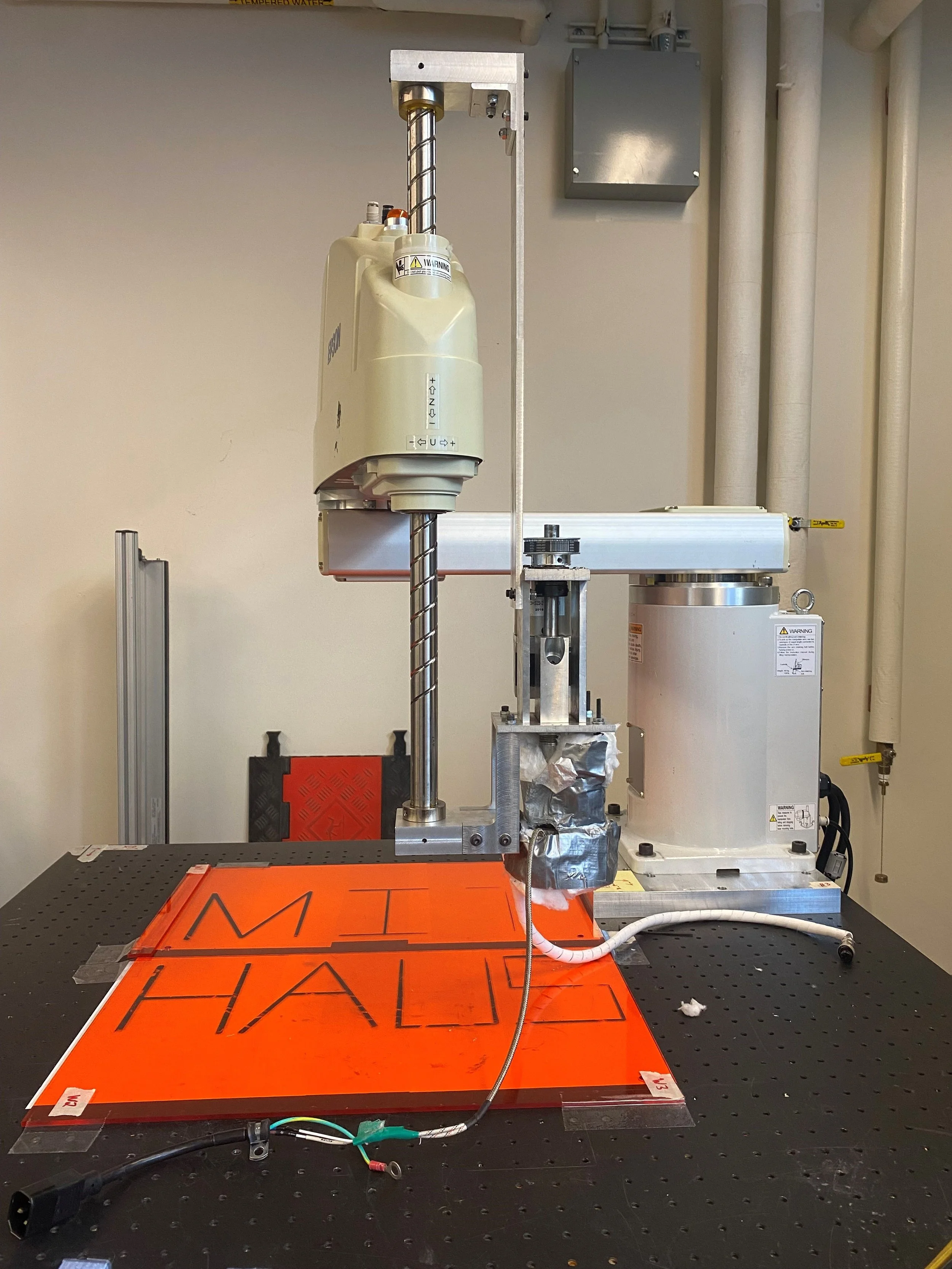
Lab Extruder Mounted to Robotic Arm
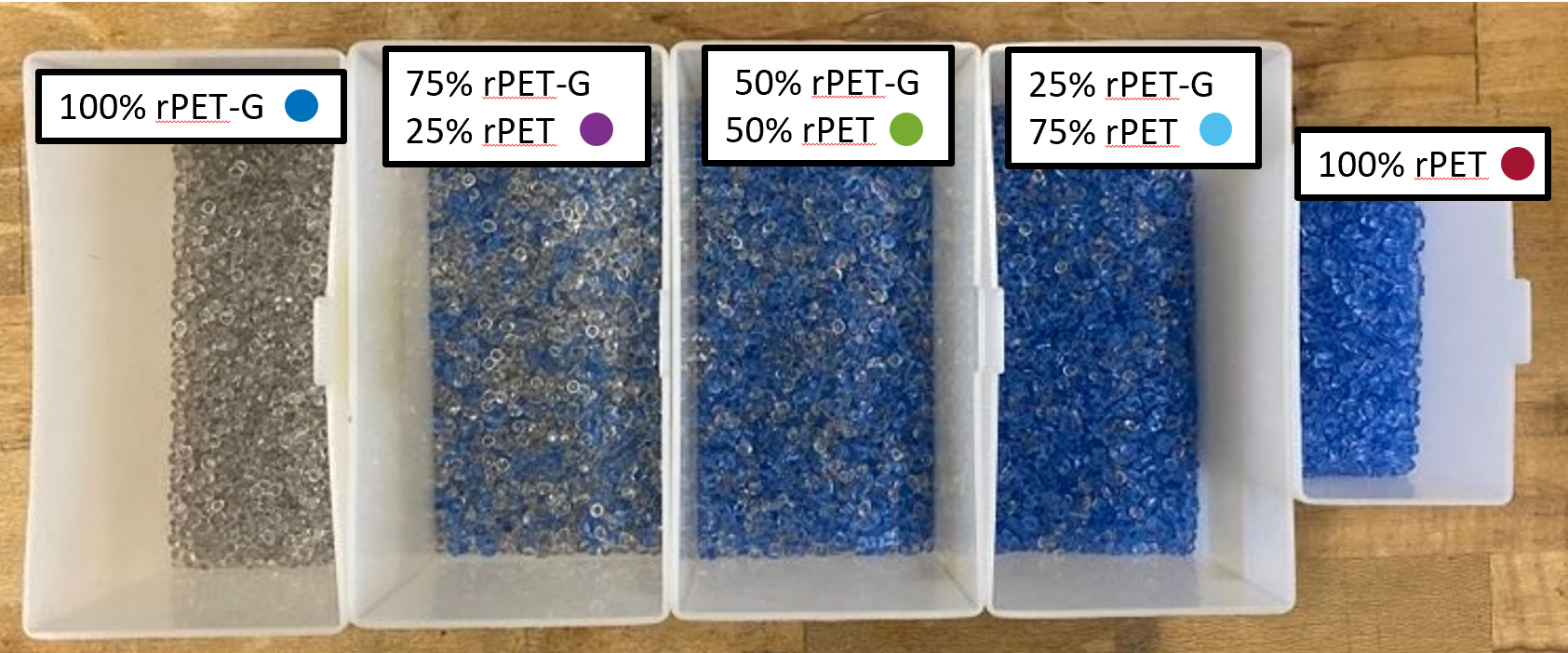
rPET Pellet Blends for Extrusion

Texture Analyzer Set Up for Tensile Testing
Designing and Testing a Screw Extruder for Pellet Extrusion
January and Spring 2022
— Prototyping and Testing —
During one of MIT’s January terms and the following spring term, I worked with one of my peers to design and test a benchtop screw extruder for plastic pellet extrusion. We started with a screw extruder prototype, and then based the rest of the design off of a former group member’s undergraduate thesis. We developed a wiring diagram and tested a circuit for two main functions: turning the extruder’s screw and heating the barrel and nozzle. The first circuit contained a power supply, stepper driver, and a stepper motor, and the second circuit contained a solid-state relay, heater PID controller, the heater, and a thermistor. The final electronic box and extruder is shown with the outputted plastic bead.
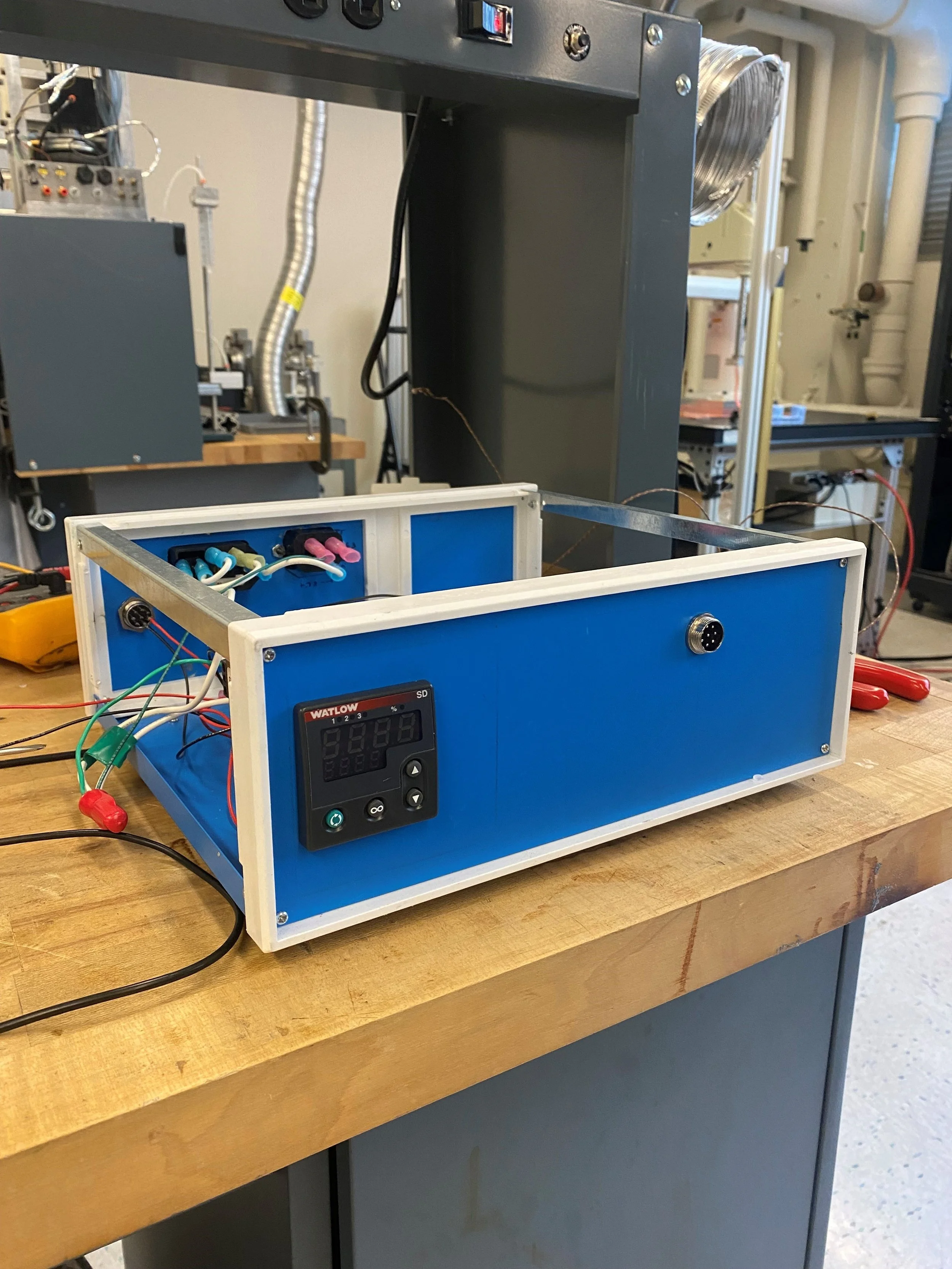
Open Electronics Box
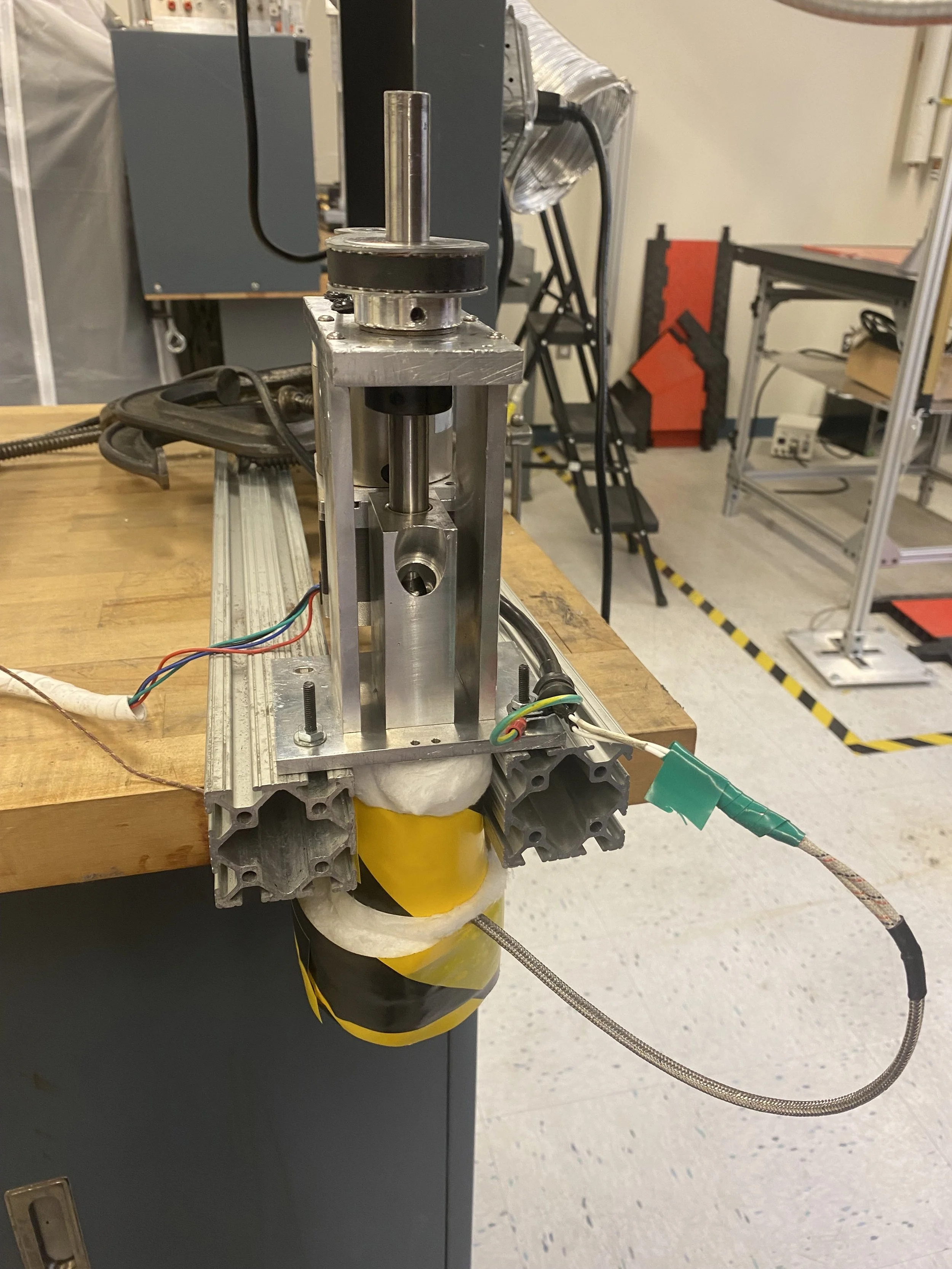
Extruder on Lab Bench
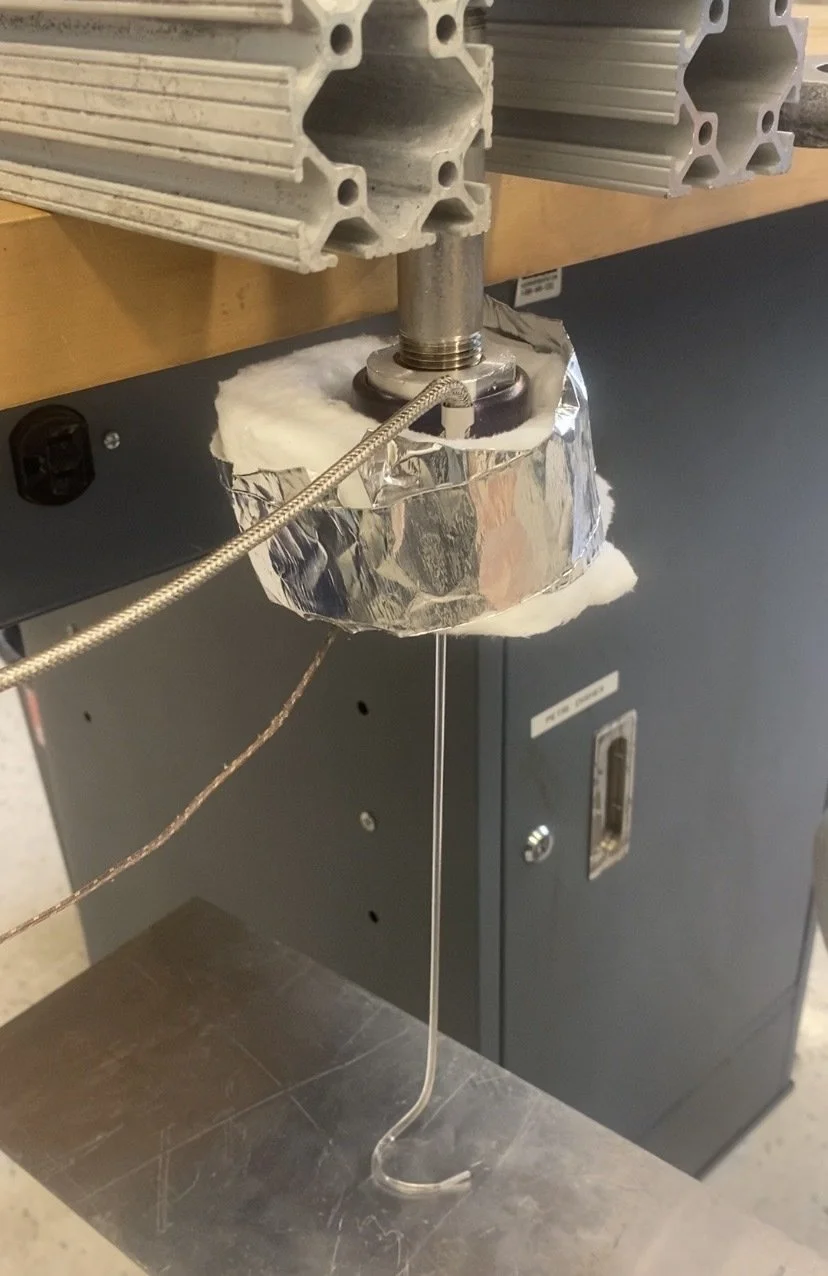
Outputted Plastic Bead
Material Properties of rPET and Other Related PET Blends
Fall 2021
— Conducting Literature Review —
For this topic, I worked on an initial literature review of potential thermoplastics and, specifically, recycled ones that could be used in the future of 3D printing homes and their components. Understanding what metrics are important when choosing what plastic to use was the first step. Then I worked on finding what research had been done to determine these material properties in potential plastics. The data was collected in a spreadsheet and then displayed in various graphs. This review had a focus on polyethylene terephthalate and recycled polyethylene terephthalate as that was previously determined as a strong potential plastic for the project. It was tentatively found that the thermal properties of the researched plastics didn’t vary nearly as much as the mechanical properties and that the mechanical properties needed to be investigated further.
Distributed Manufacturing Microfactory Location
Summer 2021
— Developing and Researching an Approach —
This project’s goal was to understand how to narrow down potential microfactory locations with the group’s specific goal in mind. I developed an overall decision-making approach keeping in mind it needed to be an ordered process that will slowly narrow the potential locations from the entire globe to a site-specific location. This approach relies on demographic data, geographic data, and maps. Although this is just a framework, this research can be used and expanded on to create an algorithm to take in all the data and to output potential microfactory locations.